Pages

Thursday, 4 January 2018

SLJ - Week 3 day 4 - (1,2 and Bonus Activity)


Day 4: Perms and Lycra (The 1980’s)

Activity 1: Hairy Maclary
One of the most famous children’s stories to ever come out
of New Zealand, Hairy Maclary from Donaldson’s Dairy,
was written by a kiwi woman named Lynley Dodd. The
book was originally published in 1983. It is now sold in dozens
of countries around the world. It features a small dog named Hairy.

On your blog, use the following sentence starter from the
original book to finish the story.

To earn full points, your story should have, at least,
8-10 sentences.

“Out of the gate and off for a walk went Hairy Maclary
from Donaldson’s Dairy…”

“Out of the gate and off for a walk went Hairy Maclary from
Donaldson’s Dairy…” He left for a walk around the block
until he stumble upon a sock. He put it on his head which
he could not see walking around along the street. He took it
off and ended up somewhere else seeing more than a dozen
dogs. As he walks away quickly he’s start to run, but dogs
behind him were sniffing his bum. “What are you doing” said Hairy
Maclary from Donaldson's Dairy. “Were getting to know each other”
said Hercules Morse who is big as a horse. “Well can you help me.
I’m trying to get back to my hometown. I’ve put a sock on my head
which lead me here. I regret putting on that sock. Don’t worry
I know every place here in town, follow me.” As Hairy Maclary
was following Hercules Morse Hairy Maclary realised they were
at the place were Hairy Maclary got the sock from. He ran
around the block and got back home safe. “Thank you Hercules
Morse for helping me”. “No worry. If you want to go any place
else just call my name very loud. I have good sense of hearing”.
So your like a GPS said Hairy Maclary laughing. Finally Hairy
Maclary was back to Donaldson’s Dairy.


Activity 2: The Big ‘OE’

In the 1980s it became increasingly common for students to
graduate from high school and take a year off to travel and
experience the world. This year was often referred to as the
‘Big OE’ or ‘Big Overseas Experience.’ A number of kiwis
headed to places like Australia and England to live and work
before returning to New Zealand to finish their studies.
london.jpg
sydney.jpg


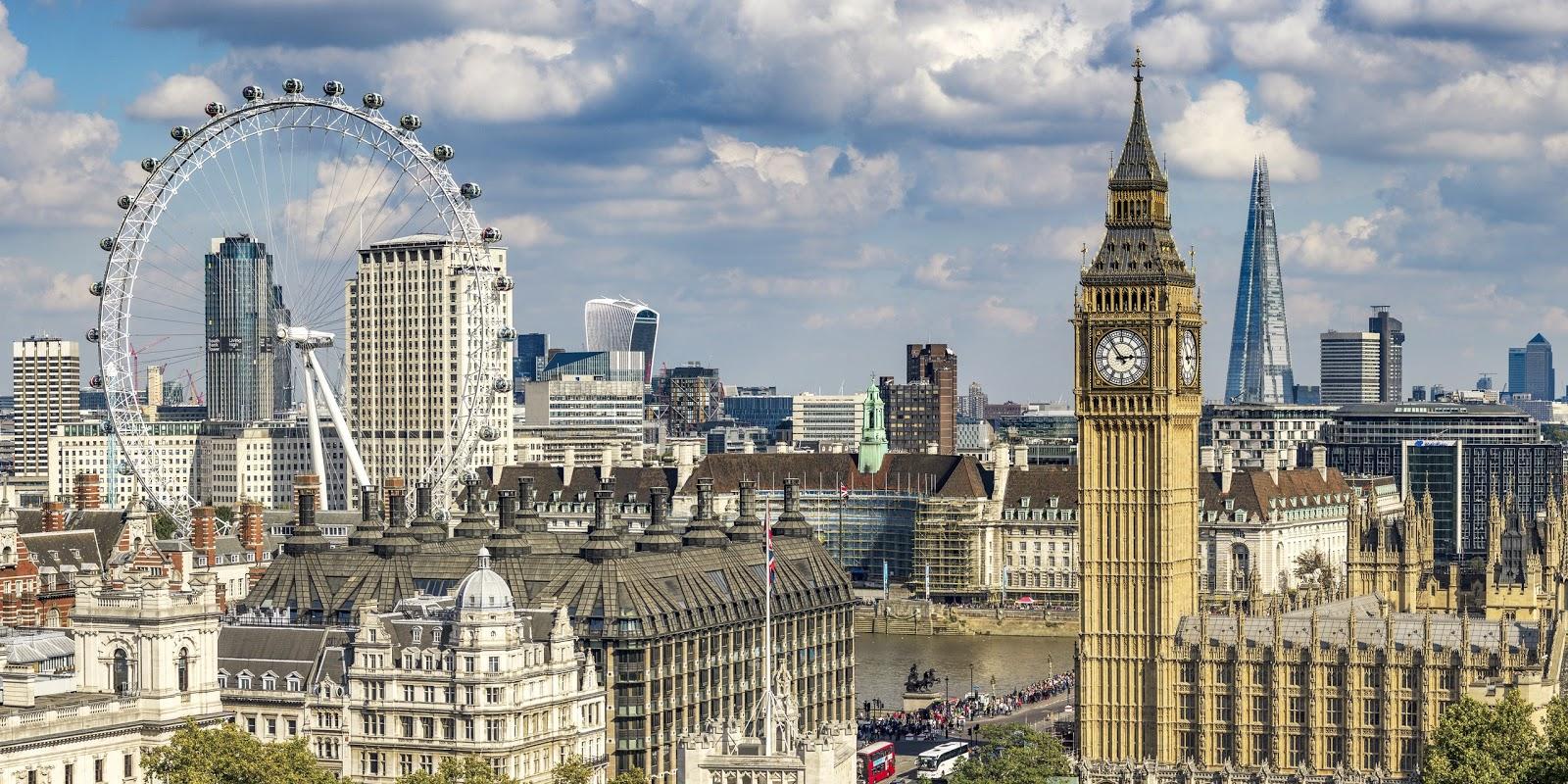
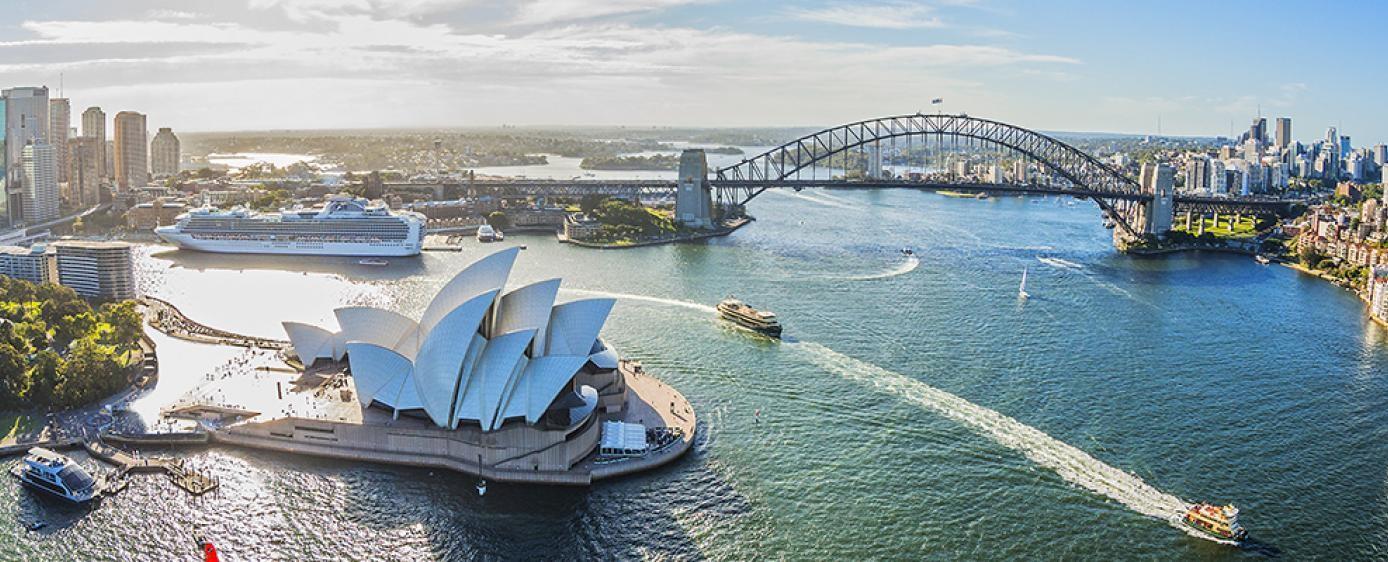
Imagine that you are a student in the 1980s and you’re
about to graduate from high school. Where would you
like to go on your big OE? On your blog tell us which
country you would visit and give us three (3) reasons for
your choice. Find some pictures on the internet of things that
you would like to see and do in this country.

I’d Love to go to Italy: Three reason why I want to go Italy is because:
Reason 1: I want to go Italy because, I want to Learn more of the tower of pisa.
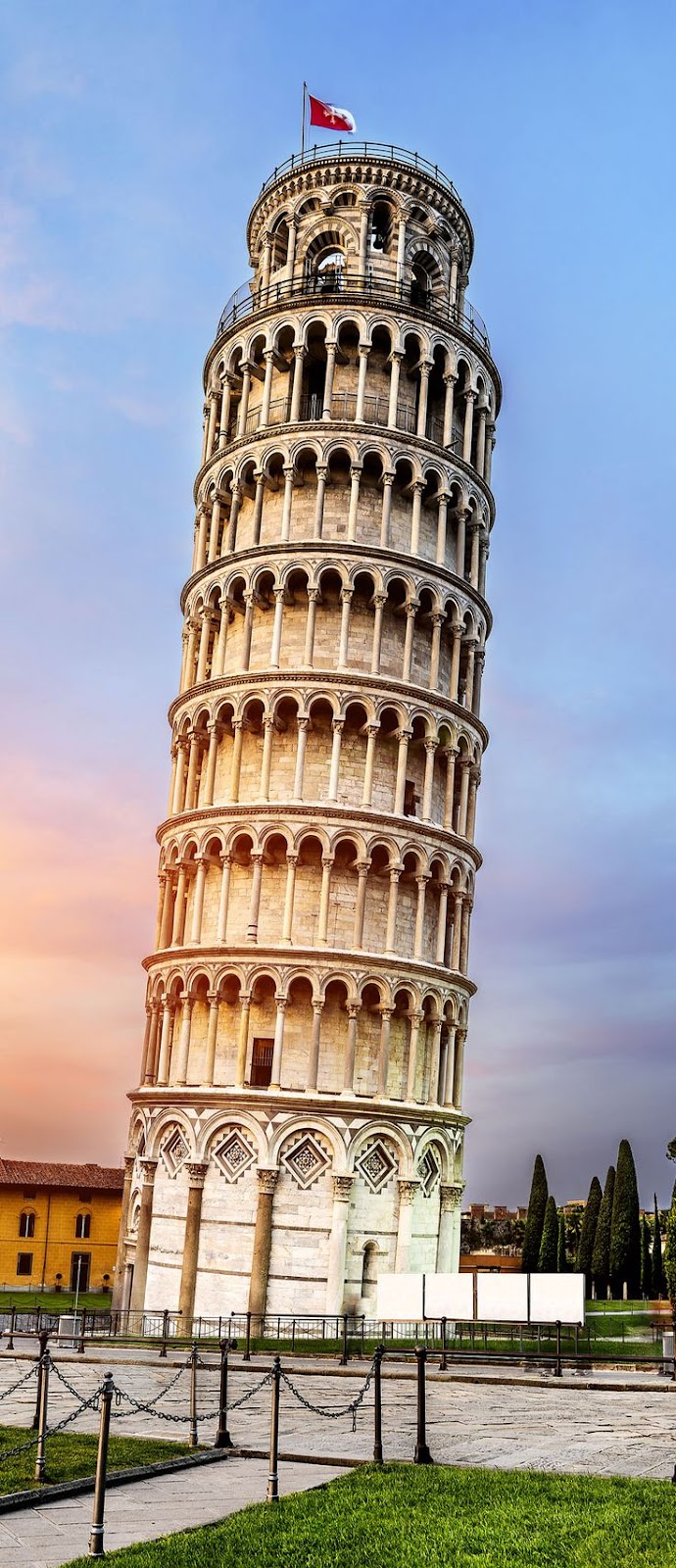
Image result for italy tower of pisa history
Reason 2: Because Everyday you have to travel by water and also the view is awesome.
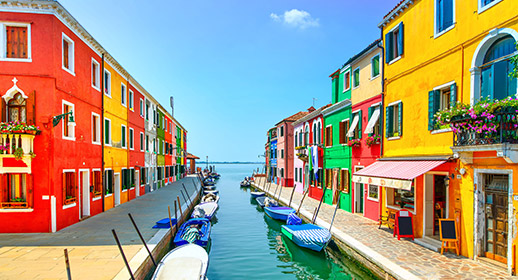
Image result for Italy
Reason 3: Last but not least I want to go to eat Pizza.

Image result for italy pizza

I’d love to go to Switzerland and spend lots of time in the
mountains, learning how to ski!


Bonus Activity: The 4 O’Clock News

jacinda.jpg
In 1982, Te Karere, a Māori-language news show premiered
on television. It has continued to stream live on TV to this
day. If you would like to watch it, turn on TV One at 3:55 p.m.
each weekday and you will see it. The show is often hosted by
a man named Scotty Morrison.

Imagine that you were Scotty Morrison and you were able to
interview anyone you wanted. I would choose to interview our
new prime minister, Jacinda Ardern. I’d love to know what it
is like to be the Prime Minister.  What about you? Who would
you choose to interview and why? What would you like to find out?

I would like to Interview Kieran Read, All Blacks Captain.

Question I would ask him: How does it feel being the All Blacks Captain?
                                            How long do you think until your going to retire?
                                            What culture are you?


BONUS POINTS: 10


Wednesday, 3 January 2018

SLJ - Week 3 day 3 - (1,2 and Bonus activity)

Day 3: Groovy Man (The 1970’s)


Activity 1: Ready to Roll

In the 1970s one of the most common television programmes
was called ‘Ready to Roll.’ It was broadcast on Saturday
afternoons and hosted by a man named Roger Gascoigne.
During the show, Roger would introduce music videos and
then play them for the TV audience. He also invited famous
people to come onto the show and perform songs that were
currently popular.  

Watch the following three clips that were shown on the Ready
to Roll programme:

When you have finished, rank the clips in order from your most
favourite (#1) to your least favourite (#3). Post your rankings
on your blog.

  1. Ray Columbus and the Invaders (she's a Mod) - Fun and entertainment
  2. New Zealand Underdogs - I like the beat
  3. Golden Harvest - It was just not fun and entertaining


Activity 2: Bell Bottom Pants


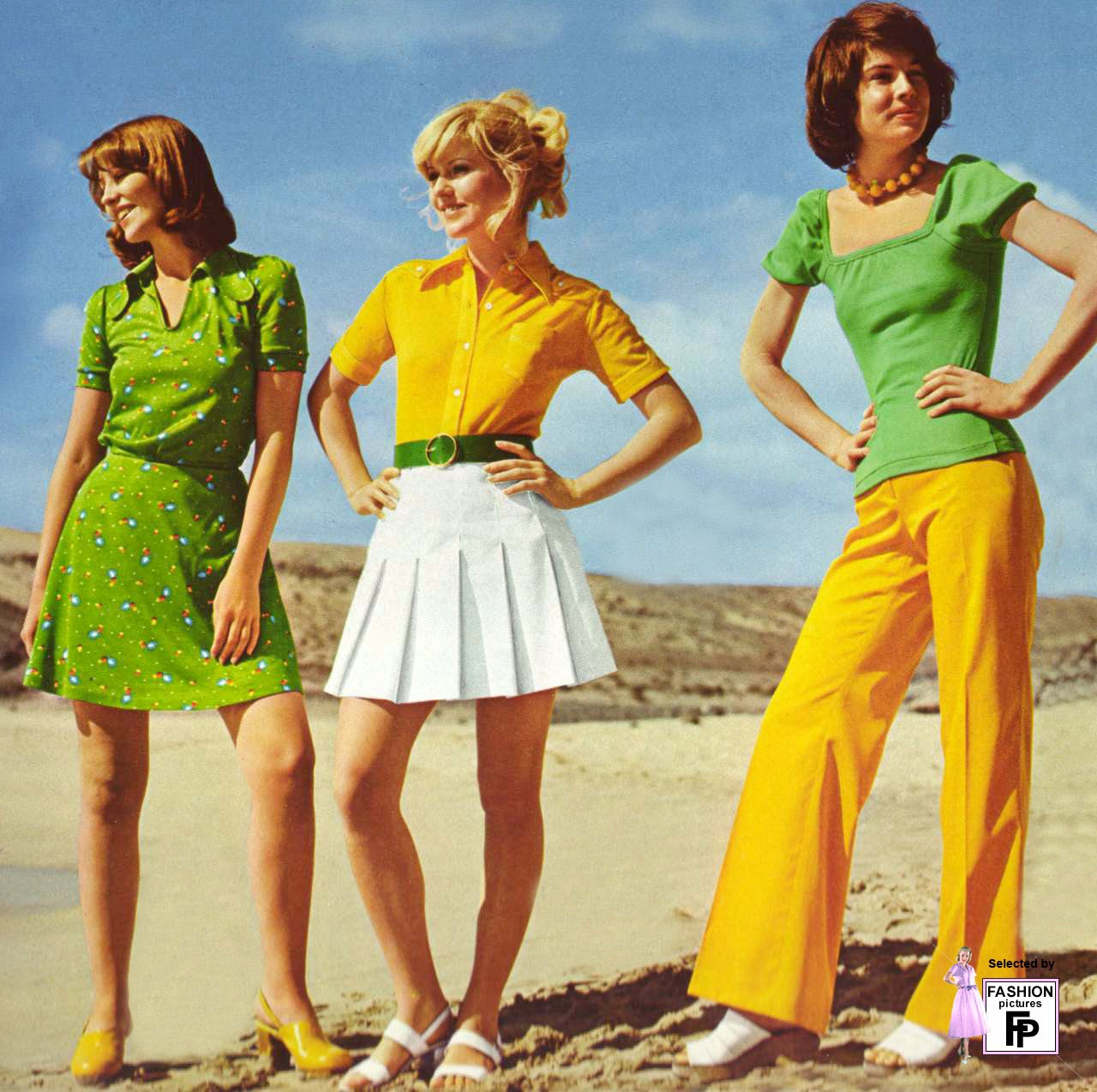
Fashion in the 1970s was quite unique. Take a look at the
pictures of a ‘typical’ 1970s outfit and tell us, on your blog,
two things that you like about 1970s fashion and two things
that you don’t like about the fashion of that day. I am not a
huge fan of the patterned pants. What about you?

2 things that I like about 1970’s clothes:

  • How colourful they are
  • They look important

2 things that I don’t like about 1970’s clothes:

  • How us boys have to wear long pants with belts
  • And also not a huge fan of the patterned pants


Bonus Activity: A Bilingual Schooling System

For much of the past century, schools in New Zealand
taught students in only one language – English. In 1972,
Ngā Tamatoa member, Mrs. Hana Jackson, submitted a petition
to Parliament to ask the government to include the teaching
of Te Reo Māori (the Māori language) and Māori culture in New
Zealand schools. We still use petitions to this day when we
want an organisation (e.g. a school) to make a change.

Think about your school. What is one thing that you would like
change. Would you like to learn about different things? Maybe
you think school should only be open 3 days a week?

On your blog, write a letter to your principal to try and convince
him/her to make the change. Ensure that your letter is polite and
respectful.

Dear Miss Elia,

I am writing this letter to you to ask you to make changes in our
school. As our school stays the same it is getting boring at the same
time. I’m not talking about school i’m talking about the subjects
we learn, Sports equipment and more play time. It could be
more Interesting if we make our school colourful like the playgrounds,
the walls on our school and maybe the hallway. I ask you to please
do some changes to our school that would attract more people to
our school. Thank you for your time.

By: Loto

BONUS POINTS: 18

Tuesday, 2 January 2018

SLJ - Week 3 day 2 - (1,2 and Bonus Activity)

Day 2: Peace Out! (The 1960s)

Activity 1: The Dawn of Television
In the 1960s there was a great deal of change in New Zealand.
Technology was evolving and the television was introduced
for the first time into New Zealand homes in the 1960s. Popular
programmes included Town and Around and C’mon.  Television
remains popular to this day.

What is your favourite television show at the moment? On your blog
tell us about your favourite television show. What is it about? Who
are the main characters? What channel is it on?

I don’t really watch Tv that much now, but I have to say Sesame street.
I like Sesame street because they really intertaine people.

Randy Cunningham: 9th Grade Ninja

My favourite television show is Randy Cunningham: 9th Grade
Ninja. This is a show about a 9th grader that is secretly a ninja.
Every time there is a problem in there school he goes somewhere
private and change into a ninja. He carries a book around which
when he put his face into the book he goes into a different world.
At that different world there is words that helps him defeat the bad
people in the normal world.

Main characters:

Randy Cunningham
Howard (Friend)


Image result for Randy Cunningham and Howard


Activity 2: Rock ‘n’ Roll
Famous bands also started travelling across the world and in 1964,
New Zealand hosted, arguably the most popular band of the time, The Beatles.

People were very excited to see The Beatles, and the hype around
the band was known as Beatlemania (similar to the modern-day Bieber-Fever)!
Read about their tour of New Zealand below, and then post three interesting
facts about The Beatles Tour on your blog.

  1. They first arrived at wellington
  2. Nearly all young woman, waited as the band touched down on 21 June 1964
  3. One girl badly slashed her thigh trying to climb a wire fence


Bonus Activity: The Three Rs - Rugby, Racing and Running


In the 1960s, sport in New Zealand was dominated by the three
R’s – rugby, racing and running. The national rugby team, the All Blacks,
had a great decade, winning 36 of the 40 games that they played. Many
kiwis also spent their week-ends at the local racetrack and, in 1960,
Peter Snell won a gold medal in the 800m race at the Olympic Games
in Rome, Italy. He followed this up with two more gold medals in the
800m and 1500m races at the 1964 Olympic Games.

Watch this documentary about Peter Snell and then create a one-page
poster on Canva* about this famous kiwi runner. Be sure to include a
picture  of Peter along with information about his interests and other
sporting accomplishments.

*You will need to register on the Canva website in order to use it. To
register, first you will need to choose your poster template from the
homepage. This will bring up the sign-in page. Click on the ‘Register with Email’
button and enter your details.

BONUS POINTS: 14


Monday, 1 January 2018

SLJ - Week 3 day 1 - (1,2 and bonus Activity)

Day 1: White Picket Fences (The 1950s)


In the 1950s, things settled down in New Zealand. There were
no international wars or intense, national conflicts. Many kiwis
were able to settle down, get married, buy a home and start a family.


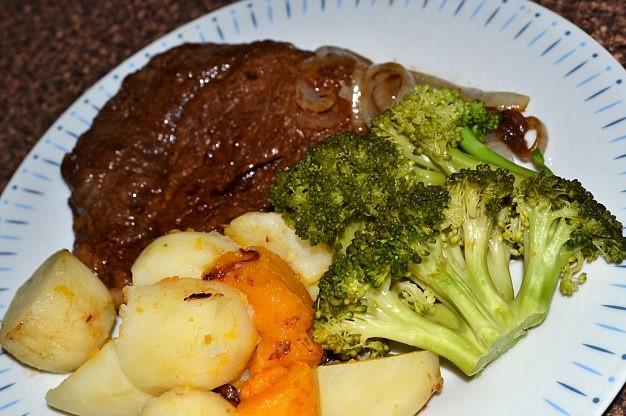
Activity 1: Meat and Three Veg
dinner (2).jpg
It was common for women in the 1950s to stay home with their
children and raise their family. They were called ‘housewives.’
Many housewives followed a simple rule when they prepared the
evening meal: the ‘meat and three veg’ rule. This meant that they
prepared dinners that included three different vegetables and a type
of meat (eg. beef, lamb, or chicken).


On your blog tell us if you think that the ‘meat and three veg’ rule is a
good one. Do you like the rule? Would you enjoy eating a typical 1950s
dinner? Why or why not?


For me it's alright having three vegetables and a meat on a plate but
that shouldn’t be a rule. I would not have that rule. I would not like
to have the same thing everyday. That's just my opinions.


Activity 2: What’s in a Name?
During the 1950s the population of New Zealand grew by
400,000 people. That is huge! In fact, so many people were having
babies that many people refer to this period in our history as the
‘baby boom.’ Popular baby names in 1950s New Zealand were:


GIRLS BOYS
Christine John
Susan David
Margaret   Peter
Judith Michael
Jennifer Robert


Read through the lists. Are these popular names in your school? On
your blog, tell us which names are currently popular in your school.
Please provide, at least, three girls’ names and three boys’ names
that are popular.


Boys           Girls


Miami          Luisa
Inoke           Aaliyahana
George       Newsam


Bonus Activity: Snail Mail
nz postcard.jpg
In the 1950s, most people communicated with one another by
writing letters. According to the NZ history website, New Zealanders
sent over 200 million letters and postcards between 1950 and
1960. That is an average of 87 letters per person!


For this activity, imagine that you are living in New Zealand in the
1950s. Use Google Draw* to design the front of a postcard that
you could send to a friend. Try to include elements of Kiwiana
in your design (e.g. Pohutukawa trees, Hokey Pokey ice cream, etc).
Post a copy of your postcard picture to your blog. Be sure to describe
what you have drawn on your blog beneath the picture.


This photo is includes a Kiwi, peacock, a Tui bird and a pohutukawa
tree. I have also added two background pictures for this postcard.


*You will need to make a copy of the Google Draw template
to create your postcard.


BONUS POINTS: 16