Pages

Tuesday, 8 January 2019

Summer Learning Journey Week 1 - Day 4

DAY 4: More than Meets the Eye


Activity 1: Scaling New Heights [4 points]
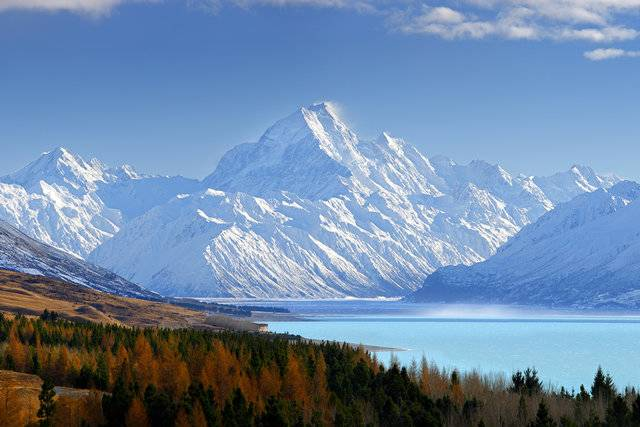
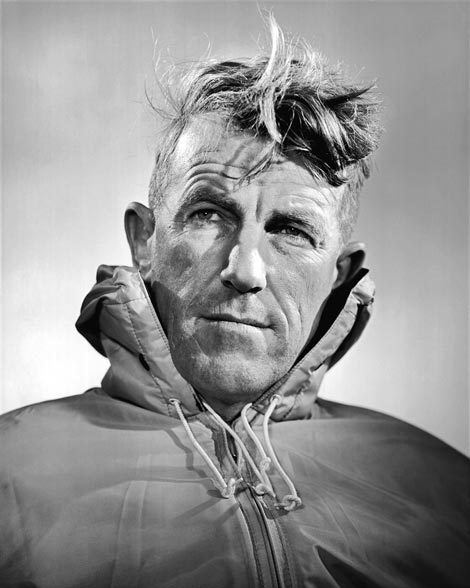
Aotearoa New Zealand is a country of mountains and valleys, dense forests, and sparkling oceans. At the centre of the South Island sits the tallest mountain in the country, Aoraki Mt Cook. It is the place where Sir Edmund Hillary, the first man to reach the top (summit) of Mt Everest, learned how to climb mountains. It was pretty difficult for him, at first, but Sir Edmund Hillary did not give up and, in 1953, he achieved this dream of climbing Mt Everest. His face can now be found on the New Zealand $5 note!
Let’s imagine that you met Sir Edmund Hillary in real life and were able to interview him.
On your blog, post five questions that you would like to ask Sir Edmund Hillary about his life.
1. Apart from climbing mountains and exploring new places, what else do you like to do in your free time?
2. Who inspired you to be a climber?
3. While you were climbing Mt Everest, was there any time you would think that you can't make it?
4. Did you climb by yourself?
5. how many days and nights did it take you to climb up Mt Everest and back?


Activity 2: Pancakes and Maple Syrup? [4 points]
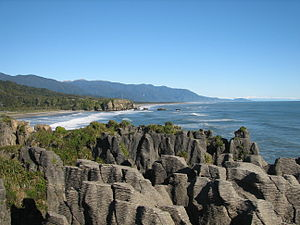
Aotearoa New Zealand is home to many spectacular sights and natural wonders. One of these is the Punakaiki Rocks and Blowholes located on the West Coast of the South Island. The Punakaiki rocks attract tourists from all over the world who are keen to see these amazing rock formations. Many people think that they look like pancakes stacked on top of one another. Pancakes are one of my favourite foods! They are delicious and pretty easy to make.
For this activity you are asked to choose one of your favourite foods. On your blog, write the name of your favourite food and then tell us how to make it. You may need to ask a family member, friend or Google (!) for help, if you do not normally make this food for yourself.
One of my favourite food is butter chicken! here's how you make it! (I googled it)
  • Step 1
    Heat a wok over medium-high heat. Spray with oil. Cook onion, stirring, for 3-4 minutes or until golden. Add the tandoori paste and cook, stirring, for 1-2 minutes or until aromatic.
  • Step 2
    Add the chicken and cook, stirring, for 3-4 minutes or until browned. Stir in tomato and stock. Reduce heat to low. Simmer for 10 minutes or until chicken is cooked through.
  • Step 3
    Add the cashew and simmer for 2-3 minutes or until sauce thickens. Stir in the yogurt and spinach. Divide the rice and chicken mixture among serving plates. Top with cucumber and coriander. Serve with pappadums.

The ingredients:

  • Olive oil spray
  • 1 large brown onion, finely chopped
  • 2 tablespoons tandoori paste
  • 600g chicken breast fillets, excess fat trimmed, cut into 2cm pieces
  • 400g can no-added-salt chopped tomatoes
  • 125ml (1/2 cup) Massel chicken style liquid stock
  • 55g (1/3 cup) cashews, finely chopped
  • 70g (1/4 cup) natural yogurt
  • 75g baby spinach leaves
  • 2 cups steamed Basmati rice
  • Chopped Lebanese cucumber, to serve
  • Fresh coriander leaves, to serve
  • Pappadums, to serve

(I copied and paste it! I'm don't have the patients to write all of this!)
Activity 3: Salt and Pepper [5 + 5 possible bonus points]
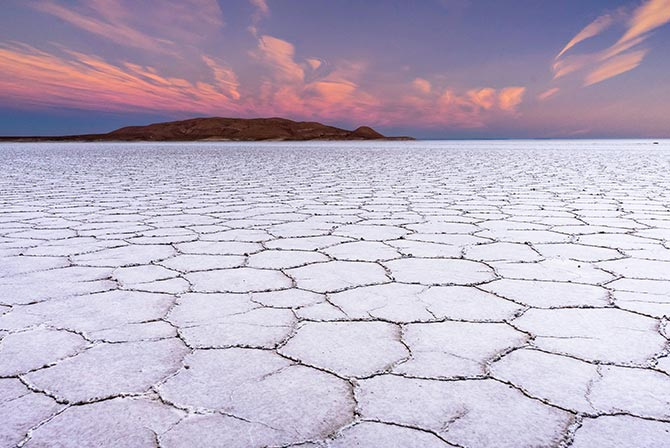
Deep in the heart of Bolivia (a country in South America) lies a natural wonder unlike anything else. It is a massive area of salt, over 10 000 km2 large, that is referred to as the Uyuni Salt Flats.
Tourists who visit the flats often stay in hotels made completely out of salt (salt hotels). This is not the only unique hotel that you will find around the world. In fact, you can stay in hotels made entirely of ice (ice hotels) or glass (glass hotel). Let’s imagine that you were given enough money to build your very own hotel.

On your blog tell us where you would build your hotel and what you would use to build it. For an extra five points, use Google Drawings to design one room in your hotel. You can also use a paper and pencil to draw your room, take a picture of the drawing, and post it on your blog.

I would build my hotel in a desert! because if anyone is lost or wanting to rest they could just come to the nearest hotel, which obviously is mine! because its in the middle of nowhere!


Summer Learning Journey Week 1 - Day 3

DAY 3: Awesome Animals


Activity 1: Fantastic Beasts [4 points]

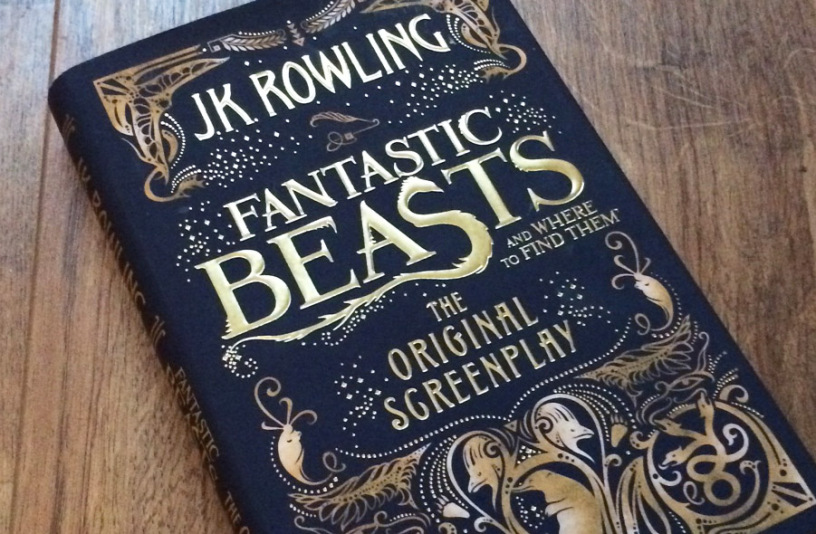
In New Zealand we have many unusual animals. One of the most unusual is the kiwi bird - a bird that does not have wings and can not fly. Pretty strange, eh?! J.K. Rowling, the author of the Harry Potter books, has recently written a new book about strange or unusual animals called ‘Fantastic Beasts and Where to Find Them.’

For this activity, please watch this cool book trailer. Year 7 and Year 8 students in South Auckland, New Zealand helped to make it. Once you have watched the video, use your imagination and create your very own beast. What does your beast look, smell, feel, and sound like?
On your blog, post a description of your beast. Use interesting adjectives (describing words) to tell us about your beast.


 My beast is a strong, fearless, fast, big, nice, friendly, unseen literally unseen creature!
His name is Ethereal! He fights for whats right, and he love's to see people in a happy mood. If there is any danger, the citizens will just call his name and he will be there is just a matter of seconds. In other words he is invisible!


Activity 2: The Secretive Skink [4 points]
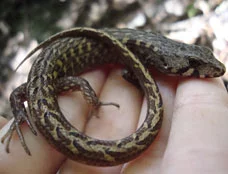
We have a number of small lizards (geckos and skinks) living in New Zealand. One of the least common is the Chevron Skink. According to the Department of Conservation, Chevron Skinks live mostly on two islands - Great Barrier Island and Little Barrier Island. These islands are ‘animal reserves.’ Very few people, other than staff working for the New Zealand Department of Conservation (DOC), are allowed to live there. The DOC staff are called ‘Rangers.’ Their job is to protect the wildlife (animals and plants) living on the island.
Would you like to be a DOC ranger and live with the animals on Great Barrier Island?
On your blog list three pros (good things) and three cons (bad things) about working as a DOC ranger. At the bottom of your post, tell us whether you would like to be a DOC Ranger or not.

Pros:
1. Fight for the endangered animals!
2. Raising them and watching them grow!
3. Learn new things about animals!

Cons:
1. Some will run around making your job harder!
2. They might have a disease!
3. They can bite you!

I would like to be a DOC Ranger, so I can protect the animals and also keeping they're habitat clean, safe and tidy! I also wanted to learn new things about animals that I don't already know! 

Activity 3: The WWF: World Wildlife Fund [10 points]
In 1961, a number of people came together to start an organisation called the World Wildlife Fund (WWF). The main goal of this organisation was/is to protect life on earth. Hundreds of WWF staff work in countries all over the world trying to protect our planet and the animals who live here. To learn more about their amazing work, click on one of the two video links below.

Clip #2: Tigers

Once you have watched the video, go to your blog and, using full sentences, tell us:


1) The name of the animal the WWF is working to save?
The Seals and also the cubs of the seals!

2) What the WWF is doing to help the animal?
They are building snow banks for the seals to give birth to their cubs! If seals give birth in the open, they don't have any protection against predators, cold and human disturbance! Which also means there cubs will die.

3) What, if any, success they have had protecting the animal?
Just protecting the wildlife! When your older you can look back and say "hey I saved many seals life" It will feel great and amazing thinking of what you've done. Saving animals!


Tuesday, 25 December 2018

Summer Learning Journey Week 1 - Day 2

DAY 2: Forest Life

Activity 1: Giants Among Us [4 points]

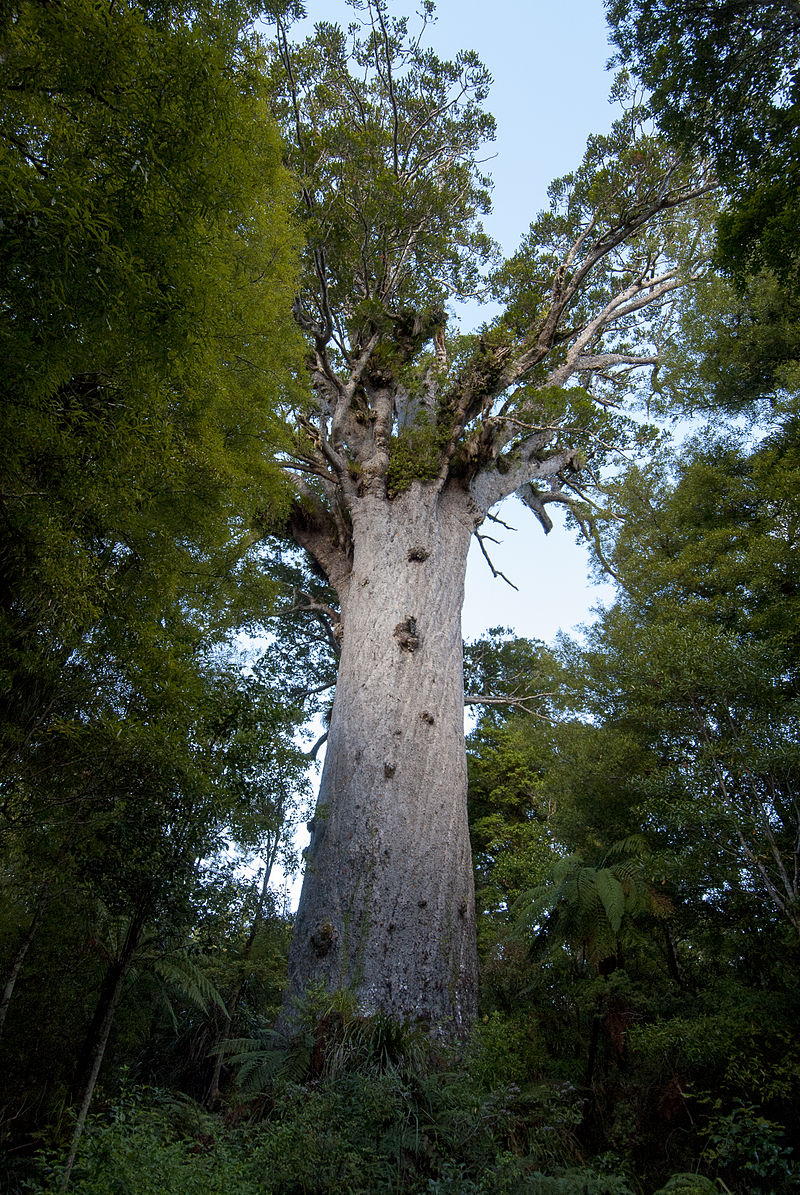
New Zealand has a really special environment. Many of the plants and trees found in New Zealand are not found anywhere else in the world. These plants and trees are endemic to our country.  In New Zealand, one of the largest and longest living endemic trees is the NZ Kauri tree. Kauri are mainly found in three regions of New Zealand: the Coromandel, Auckland and Northland. The largest Kauri tree in the country is in the Waipoua Forest in Northland. It is called Tāne Mahuta. Some people refer to it as the ‘Lord of the Forest.’
Thousands of people go to visit Tāne Mahuta every year. Would you like to be one of those people who got to see Tāne Mahuta in real life? Why or why not?
On your blog, tell us whether you would like to go and visit Tāne Mahuta one day. Be sure to tell us why you do (or do not) want to visit this endemic tree.
I would really love to visit Tāne Mahuta one day. I really want to see if in real life, how actually big the tree is! and learn new things that I didn't know before!


Activity 2: Fabulous Ferns [4 points]

One of the most common plants found in New Zealand forests is the fern. It is a special, iconic symbol of New Zealand. You will find pictures of ferns on the jerseys of many famous sporting teams in New Zealand, including the New Zealand All Blacks.
Did you know that many of these teams also have the word ‘fern’ in their name? Use your best researching skills to find three New Zealand sporting teams who use the word ‘fern’ in their title.
On your blog list three sports teams that have the word ‘fern’ in their title. Beside each team’s name, post a picture of their uniform. Then, at the bottom of your blog post tell us which of the three uniforms you like best and why.


New Zealand Black Ferns!
Image result for black ferns jersey


Silver Fern!
Image result for silver ferns jersey

Tall Fern!
Image result for tall ferns jersey


My favourite uniform has to be the Black Fern. The reason why is because I play rugby union and I also like All Blacks. The Black Fern's jersey is like the All Blacks jersey, that is why I like Black fern's jersey!

Activity 3: Weird and Wonderful [10 points]
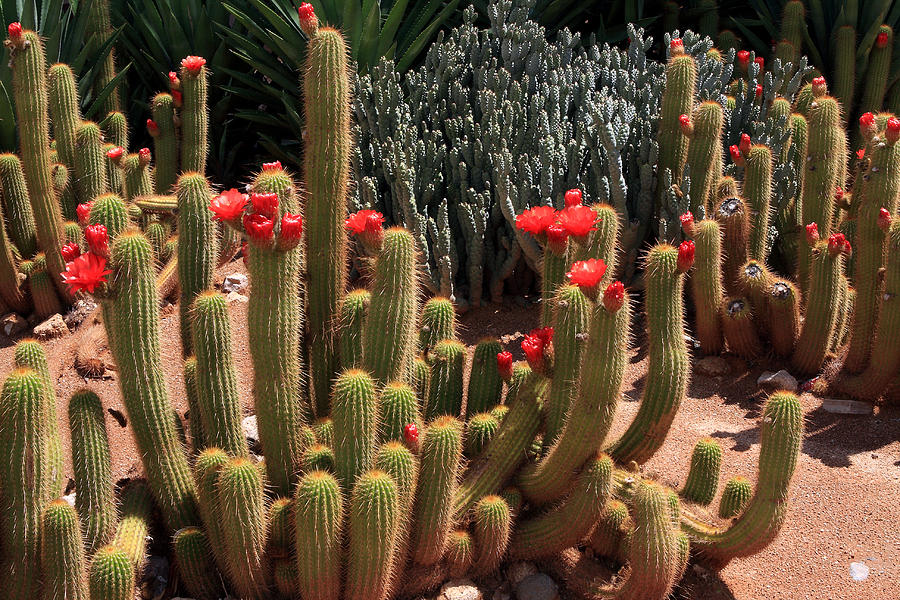
New Zealand is just one of many countries that has amazing plants and trees. In fact, the African desert is home to some pretty incredible plants, like the cactus. Some cacti are able to survive on as little as 3 millilitres (ml) of water a day. Wow!
Let’s imagine that you are given a cactus for your birthday. To keep it alive, you must give it 3 ml of water every day.
Over one full year, how much water will you need to give your cactus plant?
On your blog, tell us how to solve this maths problem. You can write your answer in words, use a Sketchpad image, or post a video explaining how you would figure it out. Be sure to give us your final answer in millilitres (ml).

How I solved this problem was that, I had to find out how many days in a year! I know that there is 365 days and every single day I have to feed the cacti 3ml. So what I did was I split it into one's, ten's and hundreds!


Monday, 24 December 2018

Summer Learning Journey Week 1 - Day 1

DAY 1: In the Beginning...


Activity 1: The Legend of New Zealand [4 points]

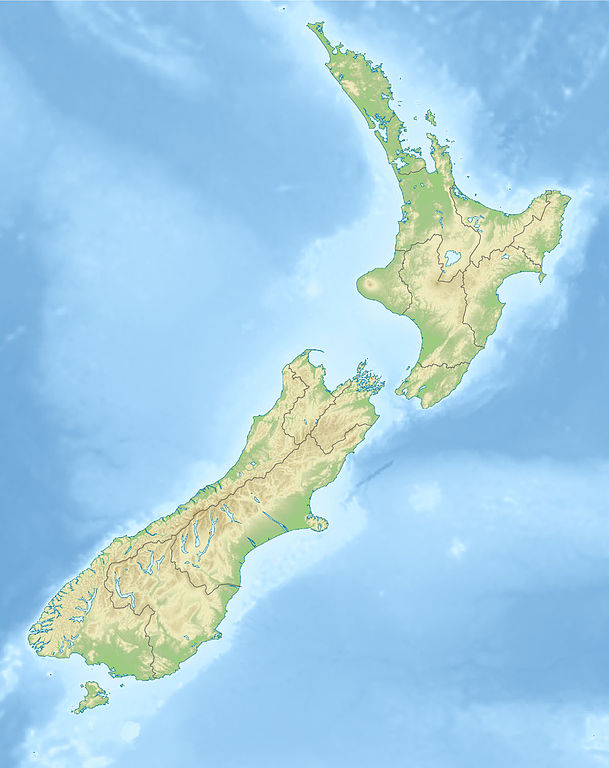
According to Māori mythology, much of Aotearoa New Zealand was formed when Māui, a powerful demigod, fished it out of the sea. Legend has it that Māui created a magical fish hook from the jawbone of his grandmother and that one day he took his hook, boarded a boat, and rode out into the middle of the Pacific Ocean. Once at sea, he threw his magical hook into the water and caught a fish. This ‘fish’ was actually the North Island of New Zealand! In honour of this legend, the North Island of New Zealand is sometimes referred to as Te Ika a Māui or ‘Māui’s fish’ and the South Island of New Zealand is sometimes referred to as Te Waka a Māui or ‘Māui’s canoe’.
To learn more cool facts about New Zealand, check out the Tourism NZ website. Read the fun facts posted on the website and choose your ‘Top 3.’ On your blog, post your ‘Top 3 Fun Facts’ about NZ in your own words.

1. Did you know, to become a New Zealand citizen, you must swear an oath of loyalty to Queen Elizabeth!
2. Auckland is the largest city in New Zealand even though its capital is Wellington!
3. There seems to be no snakes in New Zealand!


Activity 2: North and South [4 points]
The country of New Zealand is made up of two main islands – the North Island and the South Island. Approximately 77% of the New Zealand population live in the North Island. Many of these people (including our Summer Learning Journey design team) live in Auckland city. Auckland is a great place to live with lots of amazing parks, beautiful waterways and stunning scenery to enjoy. It is also a busy, vibrant city with many cafes, museums, galleries and theatres to visit. I feel lucky to call Auckland my ‘hometown.’
Now it is time to think about your hometown. What is special about where you live? On your blog, describe your hometown. Be sure to include lots of describing words (adjectives) in your post.
Auckland is my hometown too! and yes, it is very true what you have said!
What I like about Auckland is that, they're lots of good people with bright ideas. What I also Like about Auckland is that there are lots of shop's, stores, restaurants, fast food place's, supermarkets and also a nice enjoyably beach.

Activity 3: Ice, Ice Baby [10 points]
Antarctica is the world’s coldest continent. Even though it is made up of ice, it is also the driest continent in the world. In fact, it hasn’t rained there for nearly 2 million years! It is home to many animals such as whales, seals, birds, and fish. There are no permanent human residents (people who live there all the time) in Antarctica, however scientists do visit and stay in Antarctica for a while to study it.


This year the airline, Air New Zealand, filmed their safety video in Antarctica. They used some fabulous actors from Hornby Primary School in Christchurch. Just like on aeroplanes, we also need to keep safe and be smart online. We need to think about the type of information we are sharing online, who we are sharing information with, and how to have a positive digital footprint.

This is my positive digital footprint! On this picture I have stated some things of what not to do! and some of what to do! I hope you learn something from my digital footprint !